

Play Episode
Watch on my YouTube channel here:
And listen on Spotify here:
Episode Description
Breakup stages of grief: devastation
Breakup? Schedule a free coaching session here.
If you are in the first days after a breakup and your main thought is, “What the hell just happened?” I want you to know this immediately: you are not being dramatic.
A broken heart can create a kind of pain that feels almost impossible to explain to someone who is not inside it. Your body may feel heavy. Your mind may feel loud. Sleep may be strange, food may be unappealing (or all too appealing!), and ordinary tasks may suddenly feel weirdly complicated. One minute you may feel numb. The next, you may be crying over a song, a sweater, a coffee mug, or something else that makes you think of your ex.
The traditional grief model can be helpful, but breakups have their own emotional landscape. This is why I use my own framework for the breakup stages of grief. Through my work as a breakup coach, my research, and my own very human experiences with heartbreak, I think of breakup grief in four stages: devastation, denial, realization, and release.
This article is about the first stage: devastation.
Key Takeaways
- The first stage of breakup grief is often devastation: shock, sadness, confusion, numbness, and overwhelm.
- Feeling devastated does not mean the breakup was wrong or that you are meant to be with this person.
- Breakup grief can affect your sleep, focus, appetite, mood, and ability to function normally.
- The first rule after a breakup is to stop reopening the wound, which often means going no contact.
- Early healing is about stabilizing, reducing stress, and treating yourself with care.
What Are the Stages of Breakup Grief?
When most people hear “stages of grief,” they think of denial, anger, bargaining, depression, and acceptance. That framework has helped many people understand loss, but breakups are their own particular emotional circus.
A breakup can involve grief, rejection, attachment disruption, future loss, routine loss, and the awful experience of suddenly not having access to someone who may have been central to your daily life. Even if the relationship needed to end, your nervous system may still be completely shocked.
The stages of breakup grief, as I understand them, are devastation, denial, realization, and release.
These stages are not a rigid checklist. You may move through them unevenly. You may circle back. You may have one strong day followed by one “why am I crying in the grocery store?” day. That does not mean you are failing. It means you are grieving.
The First Stage: Devastation
Devastation is exactly what it sounds like. It is the stage where you feel shocked, numb, panicked, heartbroken, or some deeply inconvenient combination of all of these.
You might find yourself thinking: I did not see this coming. Maybe this is not real. Maybe we can still work it out. How am I supposed to get through the day like this?
One of the most important things to understand is that devastation can happen whether you were the person who initiated the breakup or not. This surprises people. They think, “But I choose this. Why am I so sad?” Or, “I knew this relationship was not right. Why do I miss them so much?”
Because grief happens to all of us when we feel that we are losing something. It does not care that you have a very compelling list of reasons the breakup needed to happen.
You can make the right decision and still grieve it. You can be relieved and devastated. You can know the relationship was not healthy and still ache for the familiar parts of it. Missing someone does not automatically mean you should go back.
The devastation stage is not asking you to solve the entire breakup. It is asking you to survive the first impact with as much gentleness and support as possible.

Why Do I Feel So Devastated After a Breakup?
If you are wondering, “Why do I feel so devastated?” the answer is not that you are too sensitive or that the breakup was a mistake.
A breakup can feel devastating because your emotional system is responding to a major loss. This person may have been part of your routines, future plans, private jokes, daily check-ins, weekends, and sense of safety. When that bond is disrupted, your mind may understand the breakup before the rest of you catches up.
That gap can be agonizing.
Many people are stunned by how much heartbreak hurts. They think, “I did not even know I could feel pain like this.” That reaction makes sense. A broken heart can feel unlike other kinds of emotional pain because it touches so many parts of your life at once.
It is emotional, yes. But it can also feel physical. Your chest may ache. Your stomach may feel unsettled. You may feel sluggish, wired, exhausted, restless, or strangely outside of yourself.
This does not mean you are broken. It means your system is adjusting to separation. And while it makes sense to wonder how long breakup sadness lasts, the honest answer is that it varies. What matters most in the beginning is not forcing yourself to be “over it,” but helping your system settle.
What Devastation Can Look Like
The devastation stage can show up in several ways, and naming them can reduce some of the panic.
You may cry often. Crying is not a sign that you are losing control. It is one way your body releases emotion, and in this stage, there can be a lot to release.
Want to learn all about the benefits of crying? Listen to this episode I did on the topic:
You may miss your ex intensely, even if you know the breakup was necessary. This can be confusing, but missing someone is not the same thing as receiving a message that you should go back. It means your heart and habits are responding to absence.
Regret may also take up a lot of mental space. You may replay conversations, decisions, red flags, things you said, things you wish you had said, and things they said that now feel loaded with meaning. Your mind is trying to create a story out of something that feels emotionally chaotic.
You may feel anger about the breakup itself, your ex’s behavior, or things you now see differently about the relationship. Anger can be uncomfortable, but it is not automatically bad. Sometimes anger is your system beginning to locate a boundary.
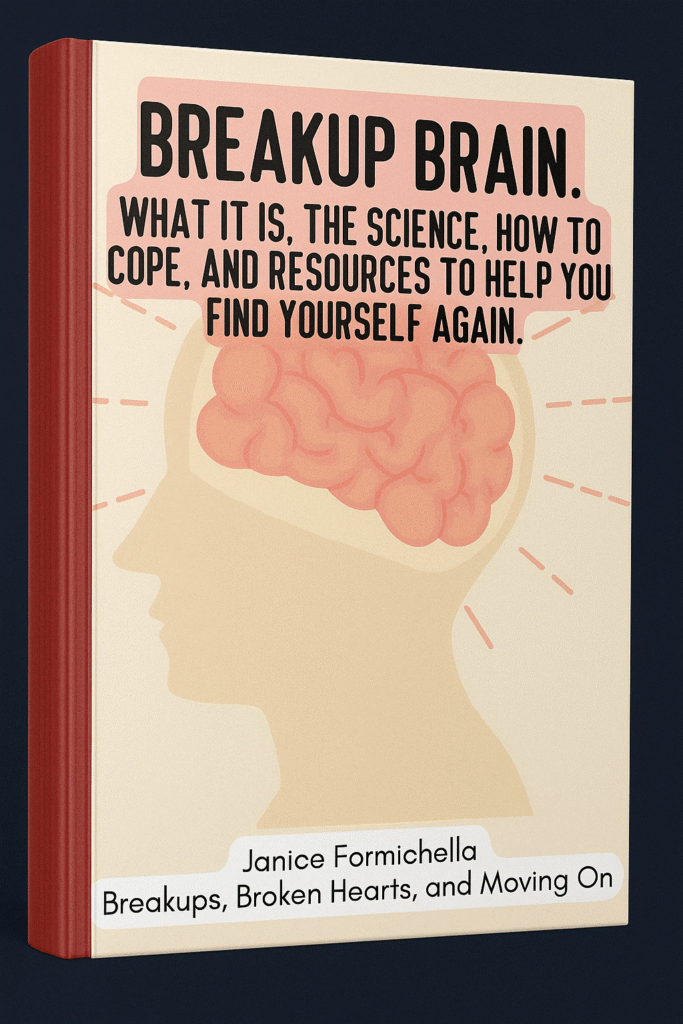
You may also experience what I call breakup brain: fogginess, forgetfulness, trouble concentrating, sleep disruption, irritability, obsessive thoughts, or sudden waves of rage. You are not suddenly incompetent. You are overloaded. Write things down. Set reminders. Give yourself more time than usual.
Want to learn more about breakup brain and how to navigate it? Download my FREE eBook:
And then there are the triggers. Songs, movies, restaurants, streets, jokes, and innocent comments from friends can suddenly feel unbearable. I remember going through a breakup years ago and feeling like I could hardly listen to the radio Every song seemed personally committed to ruining my day.
What Is the First Rule After a Breakup?
If you are asking what is the first rule after a breakup, my answer is simple: stop reopening the wound.
For most people, that means no contact.
I know. No contact can sound harsh, especially if the breakup was amicable or if one or both of you said you wanted to stay friends. I also know that when you are devastated, your mind can become a very persuasive devil on your shoulder for texting your ex.
It will say things like: We just need closure. It would be rude not to respond. Maybe one more conversation will help. Maybe if I explain it perfectly, they will understand.
But continuing to engage with the source of your pain usually does not soothe the wound. It keeps it open.
No contact is not about punishment. It is not about being cold or manipulative. It is about giving your nervous system a chance to stop reacting to every message, delay, tone shift, or “how are you?” that sends you into a three-hour interpretive spiral.
You cannot heal well while constantly reattaching to the person you are trying to detach from. If you have already reached out, do not shame yourself. Shame is not a healing strategy. Notice how it affected you, tell yourself the truth, and begin again.
I am here to help! Do you want me to be your breakup buddy? Schedule a free 1:1 session here.
How to Take Care of Yourself During the Devastation Stage
The devastation stage calls for care that is practical, physical, and emotionally realistic. This is not the moment to create an elaborate reinvention plan. Please do not decide that because your relationship ended on Tuesday, you must become a new person by Friday.
You are grieving. Begin there.
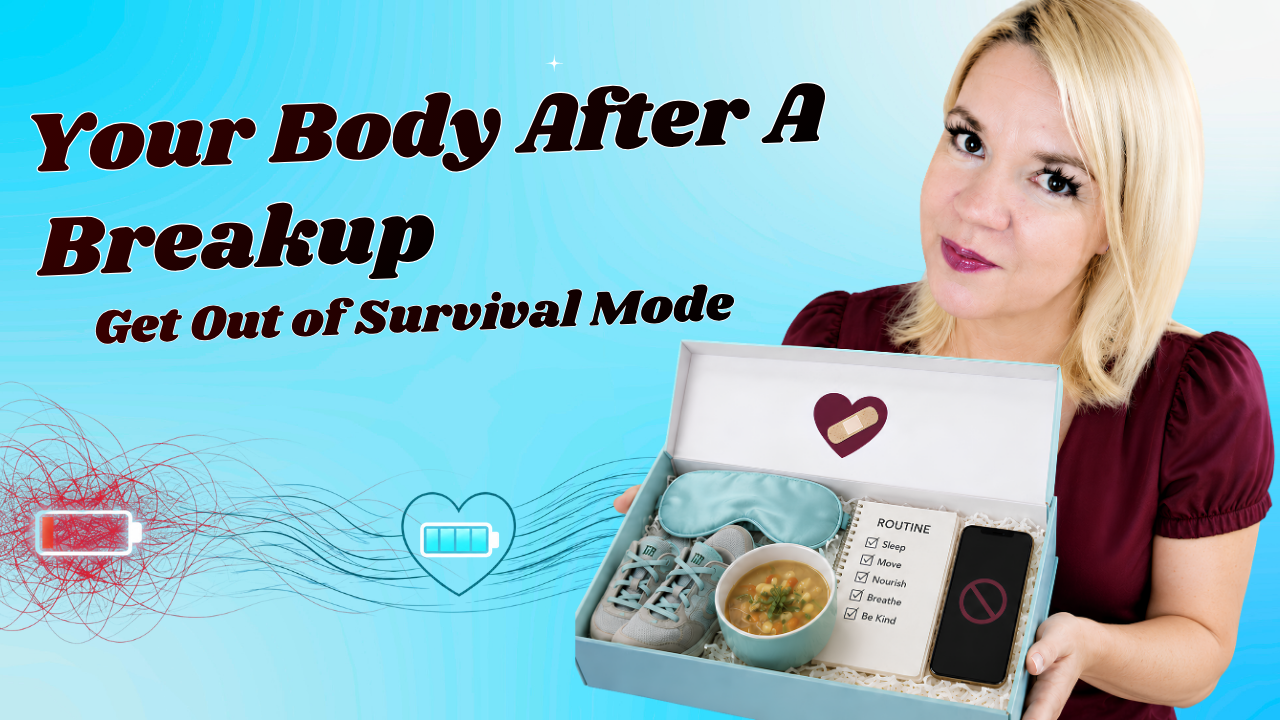
One of my favorite breakup tips, especially in the devastation stage, is to indulge. By indulge, I do not mean self-destruct. I do not mean empty your bank account, drink too much, or make choices that create new problems for the future you.
It means comforting yourself on purpose.
Ask yourself: What would make my body feel cared for right now? What food would feel comforting? What would I like to wear? What blanket, show, soup, sweater, tea, bath, or quiet evening would help me feel even five percent more held?
This matters because heartbreak does not only live in your thoughts. It lives in your body. When you make your body more comfortable, you create small moments of relief in a system that may feel overwhelmed.
It may also help to lower your stress load. Some people find work helpful because it gives structure and distraction. Others find it nearly impossible to concentrate or perform. Pay attention to which category you are in right now. If you can take time off, postpone optional plans, or reduce obligations, consider it.
And please let at least one safe person know you are struggling. You do not need to tell everyone every detail, but one steady friend, coach, counselor, sibling, or trusted person can help interrupt spirals. You can simply say, “I’m really going through it right now. Could you check on me this week?”
You Are Not Broken — You Are at the Beginning
The devastation stage can make you feel like you have been dropped into a life you did not agree to. It can make ordinary tasks feel strange. It can make your own mind feel unfamiliar. It can make the future look blank in a way that is deeply frightening.
But this is the beginning of grief, not the end of you.
If you are trying to figure out how to not feel worthless after a breakup, start by refusing to let the breakup become the final authority on who you are. The fact that you are looking for support matters. It means some part of you is reaching toward healing, and that means that you are resilient.
In my framework for the stages of breakup grief, devastation is followed by denial, realization, and release. You do not need to solve all of that today. Today, your job is simpler: eat something, rest when you can, do not send the text, tell one safe person, and begin again tomorrow.
If your mind feels foggy, obsessive, irritable, or completely hijacked right now, download my Breakup Brain guide. And if you do not want to go through this alone, book a free first session with me. We can talk through what is happening and what your next right step looks like.
Want to learn more about the breakup stages of grief?
Get access to the entire series here
Download my very comprehensive guide on the topic here.
Resources mentioned in this episode:
Episode 201: Breakup? It’s time to indulge.
Blog post: Broken heart? Spoil yourself!
Episode 103: Stages of grief for breakups


0 Comments