
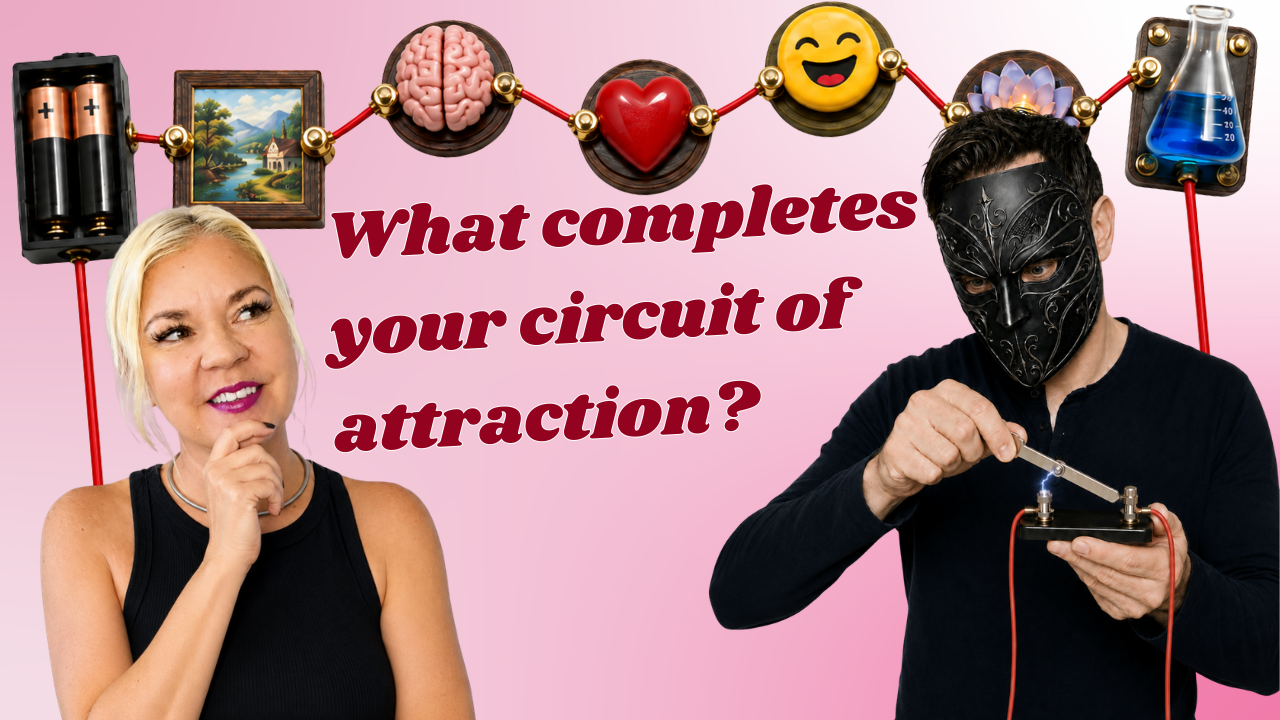

What Is Demisexuality? Attraction, Dating, and Emotional Connection
Watch on YouTube here:
And listen on Spotify here:
For many people, physical attraction arrives quickly. They notice someone across a room, feel a spark, and decide they would very much like to know what that person looks like without their clothes on.
For others, attraction takes a different route.
When my friend Zen told me he identifies as demisexual, I was curious—and, honestly, a little dubious. I also prefer to know someone before sleeping with them. So what made demisexuality an identity rather than a dating preference?
Our conversation clarified the difference: demisexuality is not primarily about when someone chooses to have sex. It is about when sexual attraction becomes possible.
Zen is using a pseudonym for privacy. His experience is not universal, but it offers a thoughtful look at connection, attraction, dating, and compatibility.
Key Takeaways
- Demisexuality describes how sexual attraction develops, not how sexually active someone is.
- A demisexual person may recognize beauty without feeling sexually drawn to someone.
- Emotional closeness usually needs to develop before sexual attraction can emerge.
- Choosing to wait for sex is different from not feeling attraction without connection.
- A slower physical pace can be misread as romantic disinterest.
- Demisexual people can have strong libidos and active sex lives.
- Emotional chemistry does not guarantee compatibility.
What Does Demisexual Mean?
The simplest demisexual meaning is that sexual attraction develops only after a meaningful emotional bond has formed.
For Zen, the process is “connection first.” He may notice that someone is attractive, but appearance alone does not create sexual desire. He needs emotional and often intellectual connection. Once that bond develops, attraction may follow—and it can be intense.
Demisexuality does not necessarily mean someone has little interest in sex. It does not tell you how often they have sex, what relationships they prefer, or how adventurous they may be. It describes the conditions under which attraction appears.
Attraction Is Not the Same as Recognizing Beauty
One revealing moment in Zen’s story involved a woman he considered objectively beautiful. She was attractive, interested, and physically available. On paper, desire should have been there.
But he felt nothing.
He could appreciate her beauty the way someone might appreciate a painting or landscape. That recognition did not translate into wanting sexual contact. As the evening continued and they failed to connect more deeply, his lack of attraction became unmistakable.
When Zen later found the term demisexuality, years of earlier experiences began to make sense.
Signs You Might Be Demisexual
There is no official quiz that hands you a laminated demisexual membership card. Sexual identity is personal, and people arrive at labels in different ways.
Zen discovered the word later in life, then recognized patterns that had always been there. As a young person, he was drawn to girls because of their humor, talents, intelligence, interests, and the way they connected with him. His friends sometimes seemed confused because they evaluated attraction primarily through appearance.
Zen was experiencing attraction. It simply did not unfold in the order they expected.
Signs you might be demisexual include rarely feeling sexually drawn to new people, noticing that desire develops only after trust or closeness, or having others misread your slower pace as disinterest. Celebrity crushes and attractive strangers may do little for you sexually, even when you understand their appeal.
A more useful question than “Do I like casual sex?” may be: Under what circumstances do I begin to feel sexual attraction?
You can dislike hookups for many reasons without being demisexual. You may value safety, privacy, commitment, or familiarity. The defining issue is not what you choose to do with attraction, but how and when it appears.
Demisexuality Is Not Just Choosing to Wait for Sex
This distinction resolved my skepticism.
I prefer trust and familiarity before sex, but I may still feel attraction before an emotional bond exists and decide not to act on it. My behavior and my attraction are separate things.
Zen described the difference as wanting emotional connection before sex versus being unable to feel sexually attracted without it. Someone who is not demisexual may feel immediate desire and choose to wait. A demisexual person may not yet have any desire to manage.
It helps to separate four concepts:
- Attraction is the sexual pull someone feels.
- Behavior is what they choose to do with it.
- Preference is the context in which they would rather have sex.
- Boundaries are limits around safety, comfort, values, and consent.
These categories overlap, but they are not interchangeable. That is why demisexuality cannot be determined from dating history. The internal experience matters.
Demisexual vs. Asexual: Are They the Same?
Demisexuality is often discussed in relation to the asexual spectrum because both can involve limited or conditional sexual attraction.
Zen personally feels some distance from that comparison. Once he develops an emotional connection, he can experience considerable desire. From his perspective, sexuality is not absent; it is unlocked through connection.
Sexual activity cannot tell you whether someone is asexual, demisexual, or neither. Asexual people may date, fall in love, have sex, or avoid sex. Libido, behavior, and attraction are distinct.
Demisexual people generally experience sexual attraction after a meaningful bond develops. Asexual experiences are broader and varied. Labels should help people describe themselves, not force them to prove they are different.
What Dating Can Feel Like When You Are Demisexual
Early dating often relies on familiar signals. Flirting becomes physical. A kiss becomes making out. Sexual tension reassures both people that the connection is going somewhere.
For a demisexual person, that progression may move slowly—or not begin until emotional closeness develops.
Zen has dated women who wondered whether he liked them because he did not escalate physically as expected. In one relationship, several dates passed before sex. His date read the slower pace as uncertainty, but Zen’s attraction simply needed more time.
There is no standard demisexual timeline. It may take several dates, several months, or a different amount of time with each person. Emotional connection is not a vending machine where you insert conversations and receive sexual desire.
How to Communicate Interest Without Rushing Attraction
Moving slowly is not the problem. Leaving someone to interpret silence often is.
A demisexual person can communicate interest before sexual attraction develops:
- “I am interested in you, but physical attraction tends to grow slowly for me.”
- “I enjoy spending time with you and want to keep getting to know you.”
- “My slower physical pace does not mean I am rejecting you.”
- “I cannot promise when attraction will develop, but I can be honest about what I feel.”
That last sentence matters. Patience should never be presented as a guarantee that attraction will arrive.

Dating Someone Who Is Demisexual
If you are dating someone who is demisexual, do not interpret their pace as a verdict on your appearance. Their attraction may simply work differently.
Ask how they express interest. They may show enthusiasm through conversation, consistency, emotional openness, thoughtful plans, or wanting more time together long before they are ready for sexual contact.
Both people’s needs still matter. You are allowed to want clearer physical momentum. They are allowed to need more time. Healthy dating requires honest discussion, not pressure or resentment.
Emotional Connection Can Create Chemistry—but Not Compatibility
Zen described demisexuality as a “forcing function.” Because connection comes first, his relationships often develop an emotional foundation before becoming sexual.
His relationship with his wife grew through conversation, curiosity, shared values, and appreciation for how each of them thinks. That foundation helped them navigate major life changes, including leaving the religion in which they were raised.
But emotional connection has a shadow side.
For Zen, a deep bond can create powerful chemistry. That intensity can make someone feel extraordinarily important before he knows whether the relationship is workable. He has invested in people whose timing or relationship needs were incompatible with his own.
As a breakup and dating coach, I describe this as the difference between chemistry and compatibility.
Chemistry tells you something powerful is happening. Compatibility asks whether it can function in real life.
Once an emotional connection develops, ask:
- Do we want the same kind of relationship?
- Are we emotionally and practically available?
- Do our values align where it matters?
- Can we communicate through conflict and disappointment?
- Is this situation healthy for everyone involved?
- Am I responding to compatibility—or simply to feeling understood?
A demisexual person may not experience attraction often, which can make every strong connection feel unusually significant. Scarcity, however, does not create suitability.
Sometimes someone can reach your mind, your heart, and your libido—and still be a terrible idea.
You Do Not Need to Rush Into or Reject a Label
Learning the word demisexual did not create a new experience for Zen. It gave him a framework for patterns that had already shaped his life.
That is what a useful identity label can do. It can help you recognize yourself, communicate clearly, and stop assuming everyone experiences attraction the same way.
You do not need to decide immediately whether demisexuality describes you. Explore the idea, notice your patterns, and pay attention to the difference between attraction and choice. You may embrace the label, reject it, or simply keep the insight.
For me, the conversation clarified something I had misunderstood: wanting connection before sex and needing connection before attraction are not the same experience.
Understanding that difference can make dating kinder and more honest—for demisexual people and for the people who care about them.
To hear more of Zen’s story, listen to the full episode of Sex and the Solo Girl, “Demisexuality Explained: What It Is, Dating, and Zen’s Story.” Subscribe to the podcast and my YouTube channel for more candid conversations about sex, dating, relationships, and the wonderfully complicated ways human beings connect.


0 Comments